Let’s be honest for a second. We’ve all done it. You stand in the bathroom aisle, squinting at a gorgeous frosted glass bottle with a minimalist gold label, trusting that whatever magic potion is inside will finally give you that effortless glow. The packaging is aesthetic, the brand’s Instagram feed is goals, and the price tag convinces you it basically has to work.
Then, you flip the bottle around.
Aqua, Glycerin, Cetearyl Alcohol… and a whole lot of Latin or chemical-sounding words that look like a recipe for rocket fuel. Unless you have a chemistry degree, reading an INCI (International Nomenclature of Cosmetic Ingredients) list feels like trying to read ancient hieroglyphics.
So, what are beauty brands actually hiding in plain sight? And more importantly, how are we being marketed to? Let’s pull back the curtain.
The Big Plot Twist: Not All Water Is Created Equal
Here is your first massive aha moment: Ingredients are listed in descending order by weight.
Whatever is at the very top of that list makes up the absolute bulk of what you’re paying for. And guess what sits comfortably at spot number one in about 90% of conventional skincare products?
Yep. Plain old Aqua. Water.
Now, water isn’t evil on its own. But when you’re paying top-tier prices for a luxury cream, you aren’t just paying for filtered tap water with a fancy marketing budget. In mass-market products, generic water makes up anywhere from 60% to 80% of the formula. Because plain water breeds bacteria, brands then have to load the formula up with heavy synthetic preservatives, emulsifiers, and stabilisers just to keep it from turning into a science experiment in your bathroom cabinet.
It begs the question: are you buying a high-performance treatment, or are you mostly just buying expensive tap water?
Here’s where you need to check the fine print, though. If you flip a bottle over and see a flower water (like Rosa Damascena Flower Water) sitting at the top instead of generic Aqua, the whole game changes. You aren’t looking at cheap filler anymore. You’re looking at a living, botanical distillate packed with natural plant molecules and antioxidants. When a product uses a pure flower water as its base, every single drop of that product is working for your skin right from the first application.
The “Marketing Drop” Illusion
Ever bought a cream because the front label screams with enthusiasm about some rare, exotic botanical extract or a revolutionary high-tech peptide?
Now, look at the very bottom of the INCI list on the back. There it is. Right before the preservatives or fragrance.
That, my friends, is what we call pixie-dusting.
Brands are legally required to list ingredients down to 1% by weight. Anything under 1% can be tossed into the formula in microscopic amounts just so the brand can legally slap it on the front of the packaging and charge you double. It’s like baking a massive chocolate cake, dropping a single chocolate chip right on top, and calling it a “Triple-Rich Cocoa Masterpiece.”
If that miracle active ingredient is sitting way down at the bottom of the list, right next to the colouring agents, your skin isn’t seeing a single benefit. It’s pure marketing fluff.
Why Formulation Matters (And Why Packaging Does Too)
This is precisely why a shift is happening in the indie and niche skincare world—moving away from dead water fillers and toward active-led, highly conscious formulations where every single ingredient has a distinct job to do.
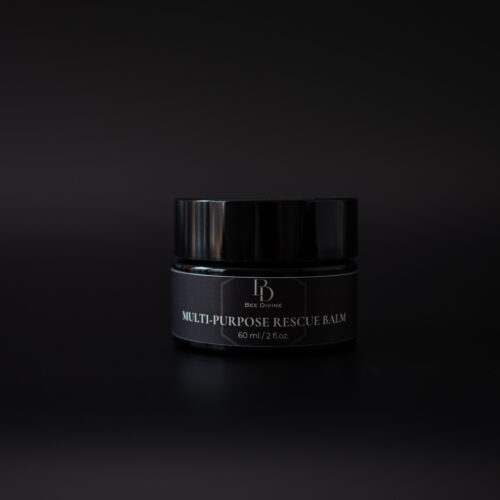
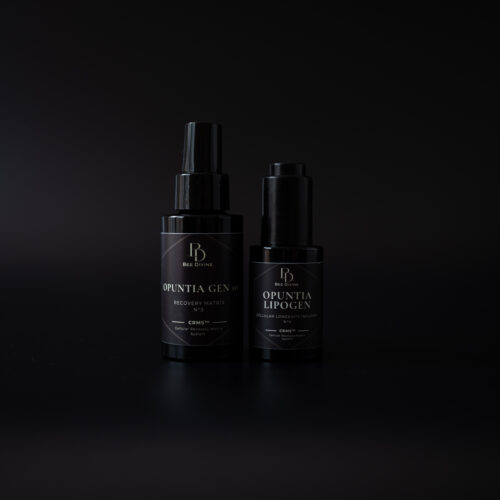
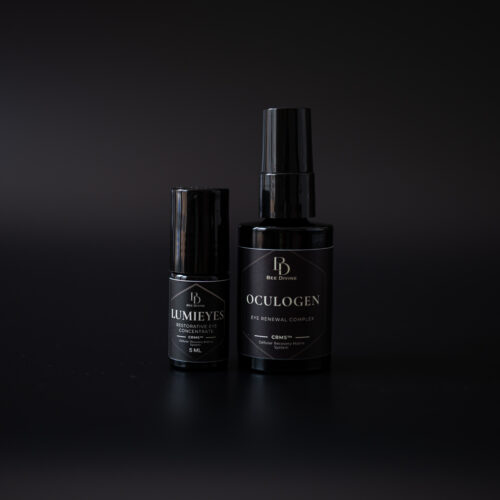
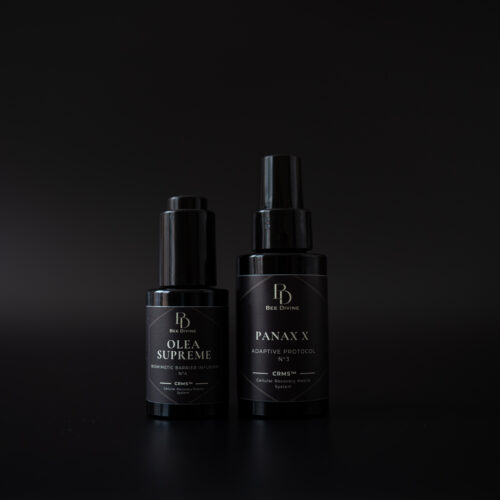
And this is where packaging stops being just about looks and starts doing actual heavy lifting. If you’re paying for pure, active botanicals and delicate unrefined oils, they will degrade the second UV light or oxygen hits them. That’s why serious formulas belong in deep, opaque Miron or black glass—not clear plastic where the sun can break down those actives before you even get halfway through the bottle.
Your Cheat Sheet for the Next Shopping Trip
Next time you’re debating whether a product is worth your hard-earned cash, do this quick mental check:
- Check the top three: What’s dominating the list? Is it cheap generic water and silicones, or is it a rich flower water and active plant oils that actually nourish your skin barrier?
- Spot the pixie-dusting: Is that “miracle ingredient” buried past the 1% threshold near the end? If so, put the bottle down.
- Look at the container: Can light get in? If the bottle is clear and lets the sun straight through, those active ingredients are already halfway expired.
Skincare shouldn’t require a master’s degree to decode. Once you start looking past the flashy marketing and reading the actual receipts on the back of the bottle, you start realizing what’s genuinely feeding your skin—and what’s just clever PR.